by PAUL BYERLY | Mar 14, 2025 | conclusions, StoryWork
Story work can be a powerful tool for improving our sex lives. With a trained coach, it’s a good way of dealing with past sexual trauma. You examine how your six or sixteen-year-old self thought and felt about what happened, including all the lies and false guilt. Then you look at those things with adult understanding and work to deal with the shame, fear, and guilt you still carry.
Story work can also help you understand sexual preferences, like that sex act you desire so strongly, the position you hate, or why you see lingerie as a must-do or a never-do thing. Understanding may not end those preferences, but it will weaken them, and will make it easier for you and your spouse to deal with them sanely.

If there’s no significant trauma, you and your spouse have a good sex life, and you’re both comfortable talking about sexual things, doing story work about sex together could bring you closer and improve your sex life. If you want to go there, start with easy stuff, and go slow. I’d suggest such story work be separate from having sex.
Sexual story work isn’t all past sex stories. It might be body-shaming events. It could be about getting teased at school. Or hearing about something a friend experienced. Our sexuality is shaped by far more than our sexual experience and exposure, so cast a wide net as you look for the roots of what you desire or avoid today.
~ This is Paul, reminding you that grace and empathy are critical!

Just when you think it’s safe to go outside again…

Of course, it was well above freezing, so it was all gone shortly after it stopped falling.
Image Credit: © Paul H Byerly created with ideogram.ai & Lori Byerly
Shop Amazon ♦ Shop to give links page
We’re donation supported Thanks for your help!
This post may contain affiliate links, see my disclosure for info.
by PAUL BYERLY | Mar 13, 2025 | conclusions, StoryWork
So I’ve given you a crash course in story work. There are several things you could do with that. You might think you would benefit from dong some story work with a coach. Or perhaps you would like to learn more. Or maybe you and your spouse are ready to give it a try with each other. If you want to kick it around, I’d suggest you learn more together first.
I think story work is a powerful tool, and I can’t recommend it enough. Lori and I are going to be doing it with a couple of friends.
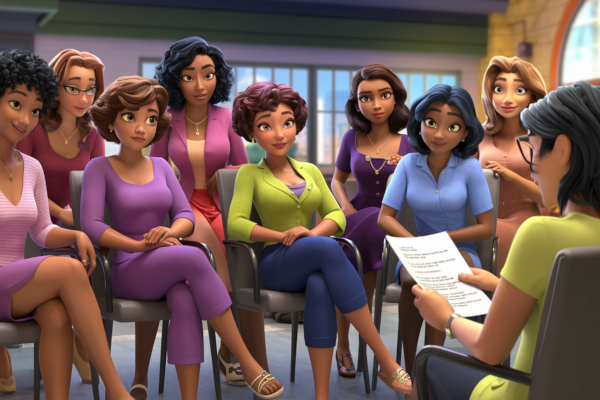
Lori and I have had some basic training, but not enough we would story work with others. However, many of the folks at Aldrich Ministries are well-trained and doing story work with clients. Kate Aldrich is doing a story work group for women that starts soon. Last I talked with her, she had a few openings. Or get on the waiting list for the next one. Brad Aldrich is interested in doing a similar group for men. If you’re interested, sign up for more information.
The Allender Center has multiple resources on story work. This link goes to a 36-minute audio on The Role of Story, and there are other resources listed on the page. If you want to try story work in your marriage, do check these out.
~ This is Paul, and every marriage is its own story
Tilly’s nemesis Zelda being cute again.
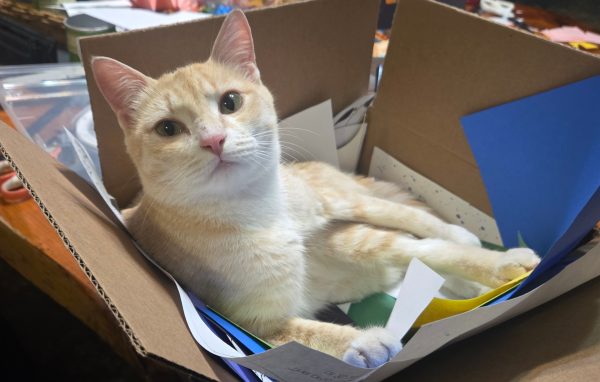
Tilly needs to up her game!
Image Credit: © Paul H Byerly created with ideogram.ai & Lori Byerly
Shop Amazon ♦ Shop to give links page
We’re donation supported Thanks for your help!
This post may contain affiliate links, see my disclosure for info.
by PAUL BYERLY | Mar 12, 2025 | conclusions, StoryWork
One of the risks of sharing our stories is that they will be used against us. Dismissing your spouse by telling them what they are doing or feeling now is just because of their story is a deep betrayal.
You may well be able to see how something today flows from or is being shaped by your spouse’s story. Please use that information to help them. It should affect what you say and do in certain situations. It should also let you know when your spouse needs to be pampered or given something that relaxes them or makes them feel loved.

If you have a great deal of trust, you can grant permission to be asked if something is being influenced by the other’s story. Be gentle, and ask, don’t tell. And don’t push if they say, “No, it’s not that.” If they say you’re right, ask if you can help. If the answer is no, give a hug and move on.
From the other side, as you become more aware of your own story, you will see how it sometimes pushes you to do something that confuses or hurts your spouse. Saying, “I’m sorry, I’m reacting out of my story” doesn’t make that okay, but it can make grace and forgiveness easier.
~ This is Paul, reminding you that every marriage is different
If you know what this is, you’re excited for us.
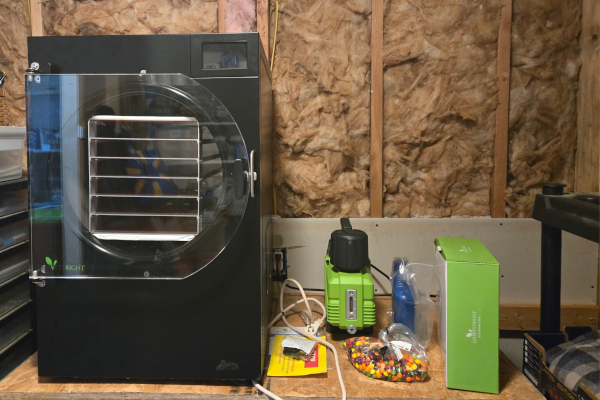
Last year we proved we can grow a lot of food. Now we have a freeze drier to help us preserve it. And yes, that’s Skittles – they puff up when freeze-dried and the grandkids can’t wait.
Image Credit: © Paul H Byerly created with ideogram.ai & Paul Byerly
Shop Amazon ♦ Shop to give links page
We’re donation supported Thanks for your help!
This post may contain affiliate links, see my disclosure for info.
by PAUL BYERLY | Mar 11, 2025 | StoryWork
My hope is you and your spouse can use story work to improve your understanding of each other. But for this to happen, you have to create the right space.
The value of story work is sharing a painful story with an empathetic listener. Without empathy, this exercise could do far more harm than good. You should be curious about the story, but empathy must temper that.

Odds are you will already know the facts of the story your spouse shares. But do you know the impact the story had on them, and continues to have on them?
Lori and I have heard very similar stories from different people, and their reactions can be all over the place. One saw it as a speed bump, a second a problem, and for a third it was a train wreck. A number of factors determine how things hit us. One of those is whether we were able to share the story with an empathetic listener when it happened. Without that, bad events can result in significant trauma.
The fact that what happened to your spouse would have had little impact on you doesn’t mean there is something wrong with them being hurt far more. Understanding their pain could be a long process, but you must be able to accept and validate it from the start.
Listen to the story. Offer sympathy for the hurt. Then ask questions. Your job is not to change how your spouse feels about the story, or to solve it. Helping them more fully engage the story will help them heal and grow. It will also help you better understand who you married.
~ This is Paul, reminding that empathy is a vital marriage skill
So the hoop house survived another winter intact.

Frost heave had moved the cinder block foundation enough I had to make adjustments to get the door open, but it’s ready to go now.
Image Credit: © Paul H Byerly created with ideogram.ai & Paul Byerly
Shop Amazon ♦ Shop to give links page
We’re donation supported Thanks for your help!
This post may contain affiliate links, see my disclosure for info.


